
The allure of gambling: Understanding the attraction
The allure of gambling in casinos is deeply rooted in human psychology and the thrill of risk-taking. Individuals are often captivated by the vibrant atmosphere of casinos, where the sounds of spinning slot machines and the sight of flashing lights create an exhilarating environment. This sensory stimulation can trigger the release of dopamine, a neurotransmitter associated with pleasure and reward, providing a rush that keeps players returning for more, especially if they explore the benefits of no kyc casinos that enhance their gaming experience. The psychological response is magnified by the social aspect of gambling, where individuals experience a sense of camaraderie and shared excitement with fellow patrons, creating an addictive blend of entertainment and community.
Moreover, the element of chance plays a significant role in the allure of gambling. The unpredictability of outcomes creates a feeling of suspense and anticipation, which many find irresistible. Whether it’s the spinning of a roulette wheel or the drawing of cards, the uncertainty surrounding the results can lead to heightened emotions, making every moment feel adventurous. This thrill often overshadows the financial risks involved, as players become engrossed in the excitement of winning, frequently ignoring the potential for loss. The combination of chance and excitement serves to reinforce the appeal, drawing in both casual players and avid gamblers alike.
Additionally, the concept of “near misses” in gambling can further entrap players. Research shows that when individuals come close to winning, such as almost hitting a jackpot, it evokes strong feelings of hope and motivation to continue playing. This phenomenon creates a cycle of engagement where the desire to replicate that near-win experience drives players to gamble more, often leading to increased spending and potential addiction. Understanding these psychological triggers is essential for recognizing why casinos continue to attract so many enthusiasts, as the emotional highs derived from near victories can sustain gambling behavior over time.
The role of cognitive biases in gambling decisions
Cognitive biases significantly influence how gamblers make decisions in casinos. One common bias is the “gambler’s fallacy,” which is the belief that past outcomes can influence future results in random events. For example, if a player observes that a particular slot machine hasn’t paid out recently, they may irrationally believe it is „due“ for a win. This misconception leads to irrational betting behavior, where players increase their wagers based solely on their perceived likelihood of winning, rather than understanding the inherent randomness of the games. Such biases can skew a player’s judgment, leading to detrimental financial consequences.
Another prevalent cognitive bias is the “illusion of control,” where gamblers mistakenly believe they can influence the outcomes of games of chance through their choices or strategies. This is particularly evident in games like blackjack or poker, where players may feel that their skills can overcome the house edge. In reality, no strategy can alter the fundamental odds of these games. This belief in one’s ability to control outcomes can lead to excessive risk-taking and gambling beyond one’s means, often resulting in significant losses and emotional distress.

Furthermore, the concept of framing also plays a critical role in gambling behavior. The presentation of options can significantly impact decision-making. For instance, the way potential winnings and losses are advertised can skew perceptions. If a player sees a game offering a large potential jackpot with a small entry fee, they may overlook the odds and focus solely on the prospect of a big win. This framing effect creates an illusion of better chances, enticing players to participate more frequently, often disregarding the reality of their actual odds of success. Such cognitive biases highlight the psychological complexity involved in gambling decisions.
The emotional rollercoaster of gambling experiences
The emotional experiences of gamblers in casinos can be likened to a rollercoaster ride, marked by peaks of exhilaration and valleys of despair. Winning can evoke feelings of euphoria and validation, while losing often leads to frustration and disappointment. These emotional highs and lows can become addictive, as players seek out the thrill of winning despite the inevitable losses that accompany gambling. This cyclical pattern can lead to an emotional dependency on gambling, making it increasingly difficult for individuals to step back and evaluate their behavior rationally.
Moreover, the excitement associated with the potential for winning can overshadow negative emotions. Players may find themselves downplaying losses or rationalizing their continued play in hopes of recouping what they have lost. This cognitive dissonance further entraps individuals in a cycle of gambling, as they chase emotional highs while ignoring the overall financial impact of their habits. The temporary nature of wins can also contribute to a distorted perception of success, where the rush of winning leads individuals to forget about the losses accumulated over time, reinforcing their gambling behavior.
In addition, the social environment of casinos can amplify these emotional experiences. The cheers of fellow players after a big win, combined with the competitive atmosphere, can foster a sense of belonging and community. This social reinforcement encourages players to continue gambling, even when faced with significant losses. The communal aspect of casinos heightens emotions and can mask individual struggles with gambling addiction, as players may feel supported by those around them despite their challenges. This social dimension adds another layer to the psychological dynamics of gambling experiences.
The impact of gambling addiction and psychological effects
Gambling addiction can have profound psychological effects on individuals and their loved ones. It frequently leads to financial ruin, strained relationships, and significant emotional distress. The compulsive need to gamble can overshadow important aspects of life, including work, family, and health. Individuals suffering from gambling addiction may experience feelings of guilt and shame, perpetuating a cycle of secrecy and isolation. This emotional burden can lead to co-occurring mental health issues, such as anxiety and depression, making recovery even more challenging and necessitating a multifaceted approach to treatment.
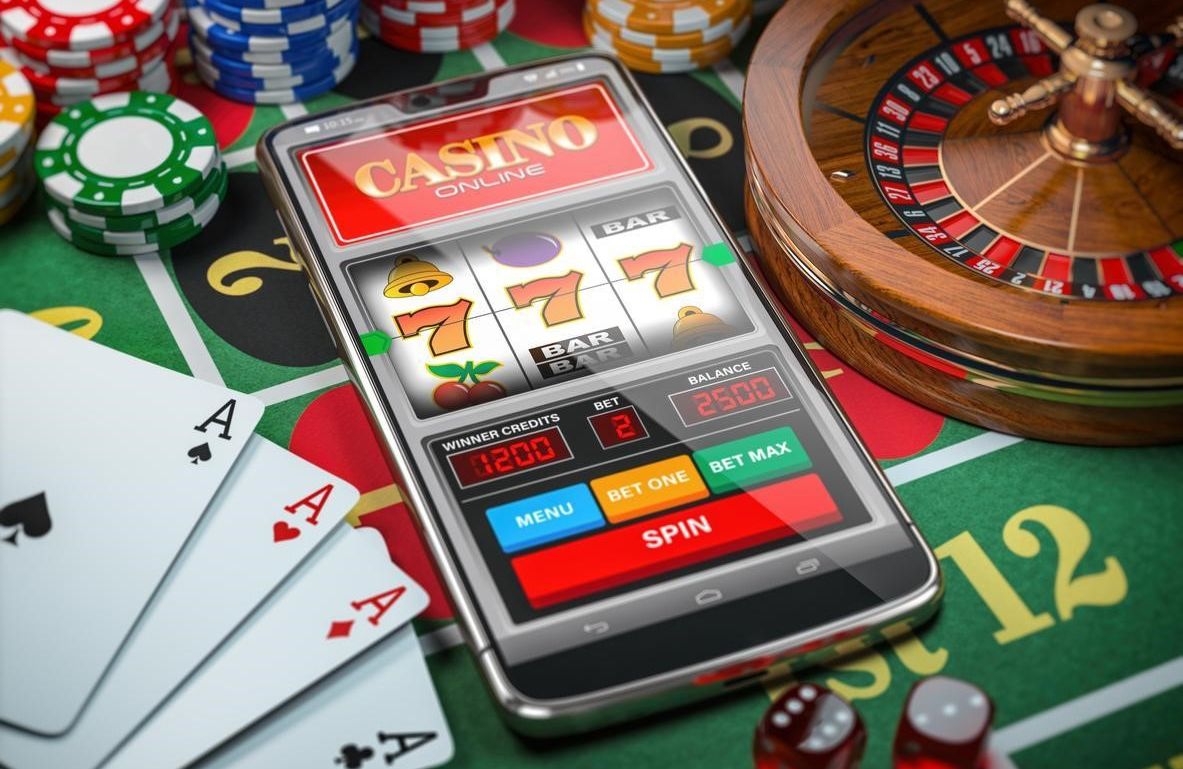
Research indicates that gambling addiction can create changes in brain chemistry similar to those seen in substance abuse disorders. The thrill of winning, accompanied by dopamine release, can alter brain pathways, reinforcing addictive behaviors. As individuals continue to gamble, the brain becomes conditioned to seek out the excitement related to risk-taking, making it increasingly difficult to resist the urge to play. This neurobiological aspect of gambling addiction underscores the need for comprehensive treatment approaches that address both psychological and physiological factors, ensuring that recovery is not only achievable but sustainable.
Support systems and interventions play a crucial role in the recovery process for those affected by gambling addiction. Therapy, support groups, and counseling can help individuals understand their behaviors and develop healthier coping mechanisms. Education surrounding the psychological effects of gambling can empower individuals to recognize signs of addiction and seek help before it escalates. The importance of a supportive network cannot be overstated, as family and friends can provide encouragement and accountability throughout the recovery journey, fostering a sense of hope and resilience.
Conclusion: Navigating the complexities of casino gambling
The complexities of gambling psychology in casinos reveal a fascinating interplay of human emotions, cognitive biases, and environmental influences. Understanding these elements is crucial for both players and the industry, shedding light on the reasons behind gambling behavior and the potential risks involved. As casinos continue to evolve, so do the strategies for attracting and retaining players, often exploiting the psychological aspects of gambling in ways that can promote addiction. This duality requires awareness and reflection from individuals engaging in gambling.
For individuals, becoming aware of the psychological triggers and risks can lead to more informed choices regarding gambling activities. Setting limits, recognizing cognitive biases, and seeking support when needed are essential steps toward maintaining a healthy relationship with gambling. Furthermore, discussions surrounding responsible gambling can help raise awareness and promote a culture of mindfulness within the casino environment, encouraging players to engage in gambling as a form of entertainment rather than a means of escape.
In the end, understanding the psychology of gambling in casinos is more than an academic endeavor; it has real-world implications for players and their communities. By delving into the motivations and behaviors associated with gambling, individuals can navigate the captivating yet perilous world of casinos more effectively, ensuring that their experiences remain enjoyable and within safe boundaries. Empowered with knowledge, players can appreciate the thrill of gambling while managing the inherent risks, promoting a healthier gaming culture overall.